
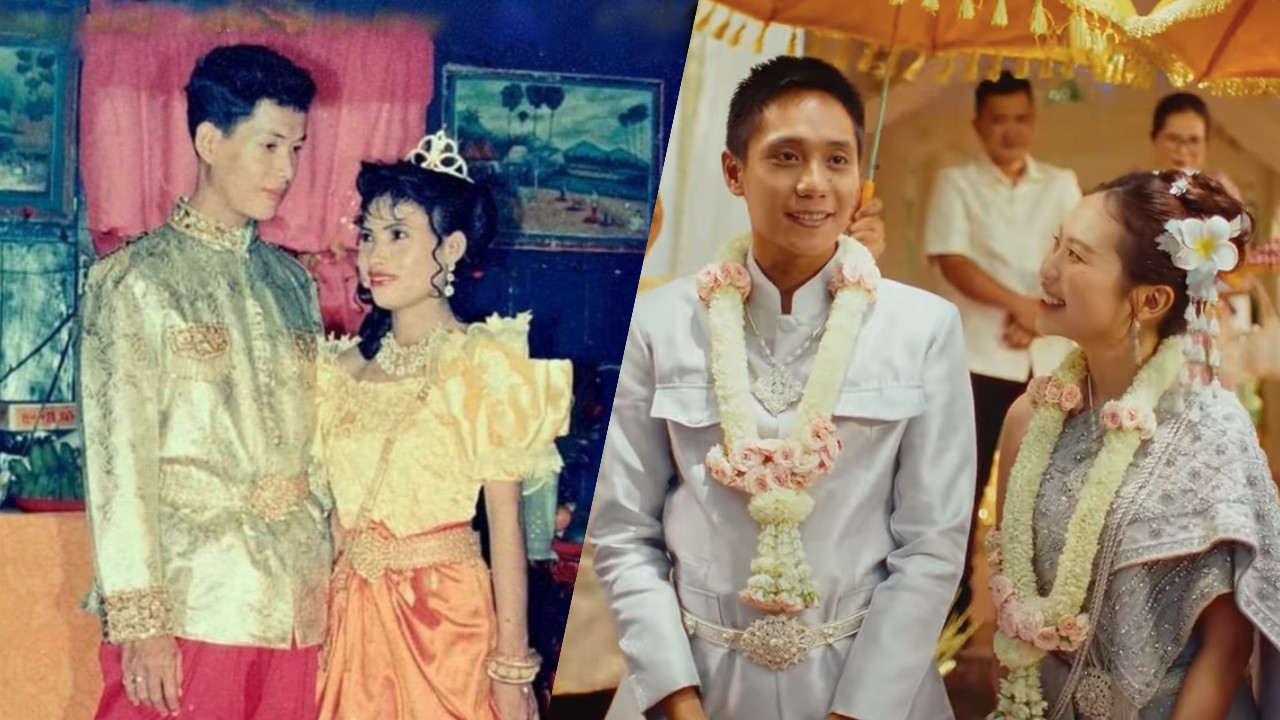
Cambodia's Subtle Appropriation of Thai Culture Through a Vietnamese Music Video
A music video recently released by a Vietnamese singer has sparked a heated transnational online controversy, drawing netizens from Thailand, Cambodia, and Vietnam into a fiery debate over traditional attire and cultural heritage.
At first glance, this might seem like a minor dispute. However, this is no mere socio-cultural coincidence—it is a subtle, calculated maneuver. By exploiting the fluid historical identity of an ethnic minority in Vietnam, it attempts to create an illusion that "claims" Thai cultural arts as belonging to neighboring Cambodia.
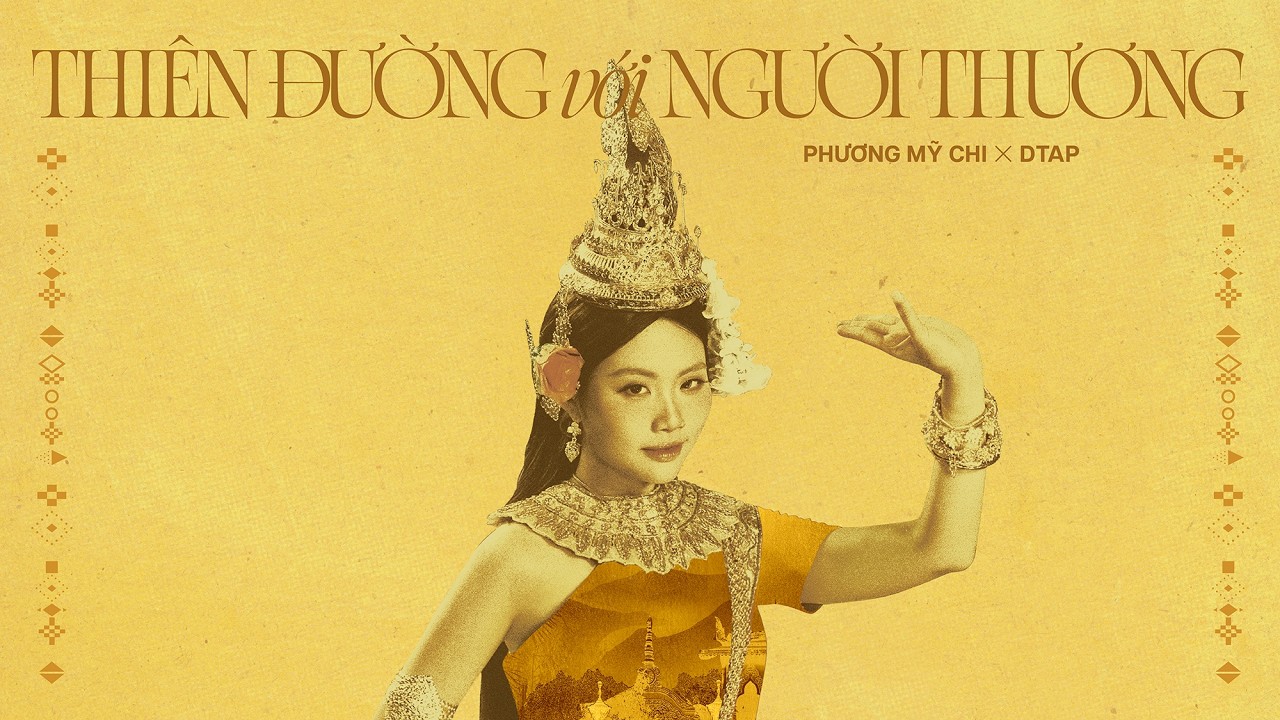
The Spark in the Vietnamese MV and Infiltration via the "Khmer Krom"
The controversy began when the production team behind the Vietnamese music video (which reportedly included Cambodian crew members or individuals of Cambodian descent) styled the performers in traditional attire, headdresses, and ornaments that bore an unmistakable resemblance to "Chut Thai" (traditional Thai clothing). However, they attempted to present these garments as the traditional attire of the [Khmer Krom](en.wikipedia.org.gov / .edu)—an ethnic Khmer minority residing in the Mekong Delta region of southern Vietnam.

When questioned by Thai netizens, the defense did not rely on the actual historical evolution of textile design and attire. Instead, it deflected by using terms like "shared culture" or claiming the garments were ancient Cambodian wedding dresses. The underlying objective was to mislead the global audience into believing that Thailand was the copycat. This is a highly deceptive deflection strategy, especially since the Khmer Krom population in southern Vietnam has been subjected to a one-sided historical narrative propagated by Cambodian state textbooks in Phnom Penh for decades.
The "Thais Originated from the Altai Mountains" Myth vs. Archaeological Reality
One of the primary narratives used to shape public perception in Cambodia from a young age is the belief that "the Siamese (Syam) have no indigenous roots in this region, but were a minority group that migrated from the Altai Mountains in China, invaded the land, and plundered Khmer culture in its entirety."
However, this narrative completely contradicts international scientific and archaeological evidence.
Archaeological excavations at Ban Non Wat in Nakhon Ratchasima province reveal traces of human habitation dating back over 4,000 years to the Neolithic and Bronze Ages. The site provides clear evidence of agriculture and animal husbandry (read more about archaeological evidence in Thailand at [Timeline of Thai History - Wikipedia](en.wikipedia.org.gov / .edu)).
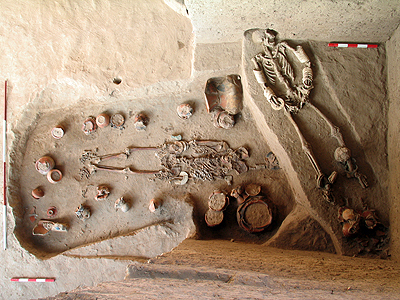
Archaeological excavation at Ban Non Wat, Non Sung District, Nakhon Ratchasima
Furthermore, the inscription of the ancient town of Si Thep as a UNESCO World Heritage site ([UNESCO World Heritage Centre](unesco.org.gov / .edu)) confirms that the territory of modern-day Thailand was home to a thriving Dvaravati civilization over a thousand years before the rise of the Sukhothai Kingdom. This region has always been a cultural melting pot with continuous human habitation, rather than an empty land invaded by "migrants from the Altai Mountains."
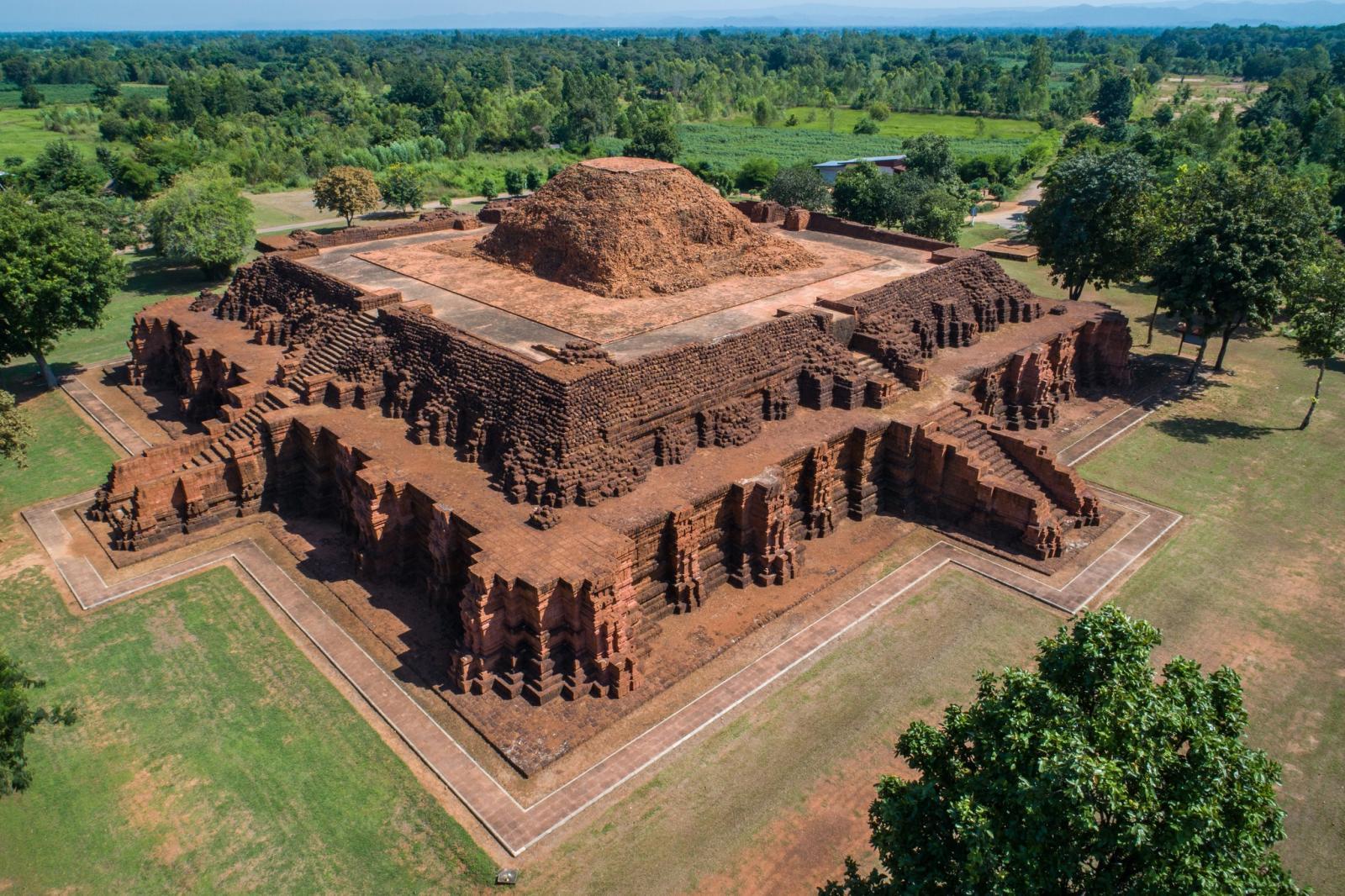
Si Thep Historical Park, a UNESCO World Heritage Site
From Royal Thai Traditional Dress to the Distorted Trend of "Love Destiny"
Why does the world instantly recognize these garments as "Thai dress"?
Dating back to the 1960s, Her Majesty Queen Sirikit the Queen Mother initiated a comprehensive study of historical Thai women's attire. She subsequently commissioned and developed the eight styles of "Chut Thai Phra Ratcha Niyom" (Royal Thai Traditional Dress) for royal duties and official state visits abroad. The history of these Thai dresses is widely recognized and exhibited in world-class museums (learn more about her biography and royal duties at [Queen Sirikit Biography - Wikipedia](en.wikipedia.org.gov / .edu)).
Conversely, historical photographs from Cambodia show that queens and noblewomen traditionally wore the "Sampot" or wrapped lower garments (chong kraben). There is no historical record of them wearing the structured Royal Thai Traditional Dress or the elaborately embroidered pleated sabai (breast shawl) that is uniquely characteristic of Thai identity in daily life.
However, when the hit Thai television drama "Love Destiny" (Bupphesannivas) became a massive phenomenon across Southeast Asia, including Cambodia, many Cambodians began wearing Thai-style traditional attire inspired by the show. Yet, instead of acknowledging this as Thai soft power, Cambodian authorities and social media campaigns attempted to rebrand these sabai shawls and Thai dresses as "ancient Khmer wedding attire" to obscure the truth.
Conclusion: A New Geopolitical Spark... Diplomatic Friction Between Vietnam and Cambodia
The attempt by Cambodian media influencers to insert Thai cultural identity into Vietnamese entertainment under the guise of the "Khmer Krom" does not affect Thailand alone.
It is inadvertently becoming a diplomatic flashpoint between Vietnam and Cambodia. Promoting the narrative through entertainment media that "Southern Vietnam (Kampuchea Krom) is stolen Cambodian territory" could lead to sovereignty disputes and international security friction in the future.
Historical truth and civilization are not fictional stories that can be manipulated and rewritten at will. The eyes of the international community, along with empirical scientific and archaeological evidence, will ultimately prove that the "truth" can never be erased by fake news or rootless cultural appropriation.