
Shameless Subterfuge: Cambodia Secretly Inserts Thai Traditional Dress into UNESCO Registration Dossier
Have you ever looked at old photographs of weddings in Cambodia from 20 or 30 years ago?
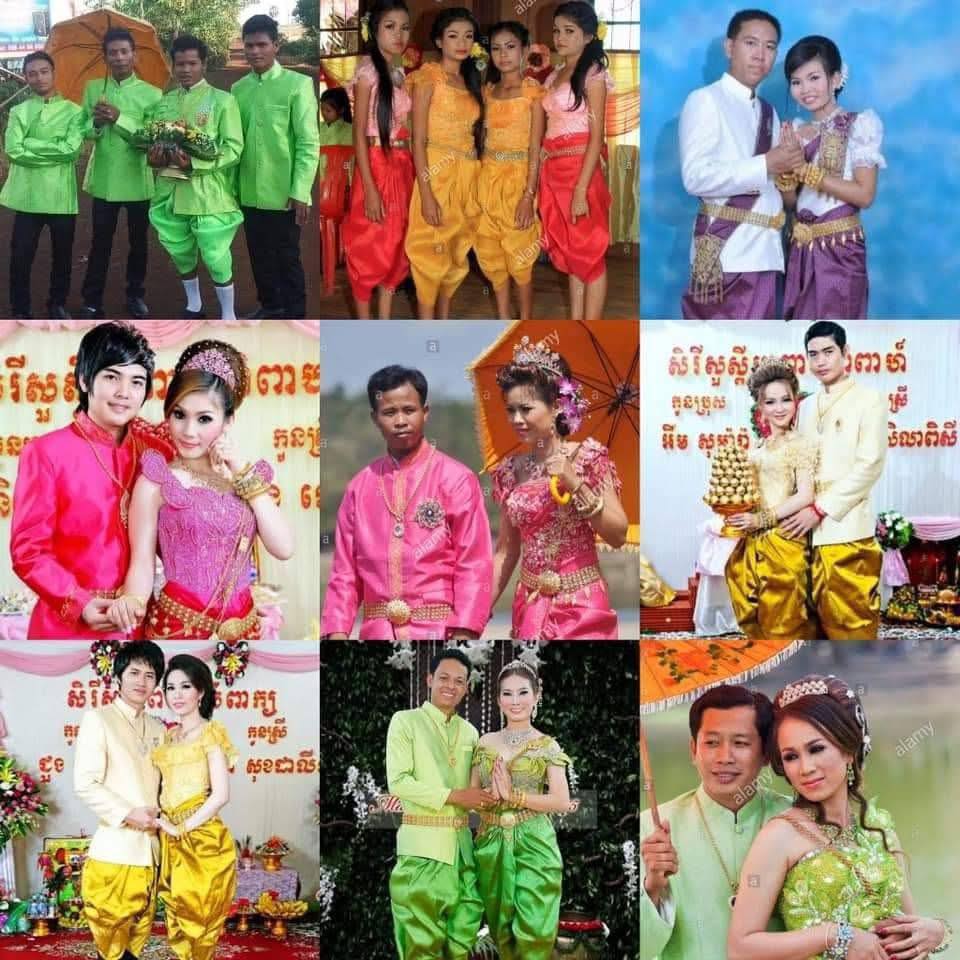
If you have, the image you would see is of the bride and groom wearing the Sampot or traditional short sabai shoulder cloth, which has long represented the historical identity and folk wisdom of Cambodia.
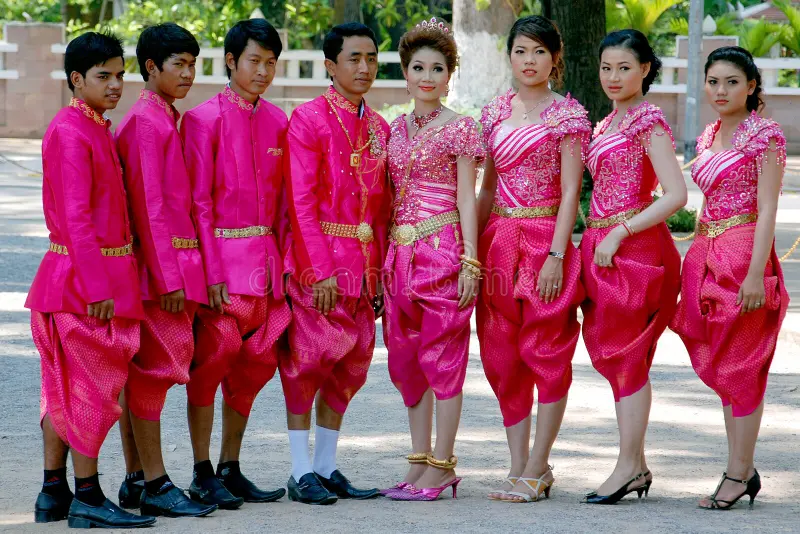 Sampot, the national dress of Cambodia
However, if you fast-forward to popular Cambodian wedding scenes in recent years, you might double-take. Cambodian brides at lavish events are increasingly wearing the "Chut Thai Chakri" or "Chut Thai Siwalai"—adorned with long shoulder sashes (sabai) intricately embroidered with gold thread and authentic Thai-style jewelry. Without reading the Khmer script on the backdrop or spotting the Cambodian flag, anyone would assume it was a Thai wedding. (Cambodians often carry their national flag and display it everywhere without clear context, likely reflecting an underlying ethnic complex and a desire to assert identity, exacerbated by limited access to balanced historical education and decorum.)
This phenomenon is not merely a fleeting fashion trend; it stems from underlying cultural tensions where one nation shamelessly claims ownership of another's cultural heritage while accusing the rightful owner of theft.
The 'Love Destiny' Phenomenon and the Fashion Shift
Back in 2018, the hit Thai period drama Bhuppae Sunniwat (Love Destiny) triggered a massive soft power wave across ASEAN. A vast number of Cambodians became captivated by the show, adopting traditional Thai attire modeled after the characters. They wore Thai dresses to shoot photos at historical sites and various events due to their elegance and grandeur, including beauty pageants, eventually integrating them into weddings in place of the traditional Sampot—Cambodia’s long-standing national wedding costume.
When History is Distorted
After Thai attire became mainstream in Cambodian weddings, certain Cambodian media outlets and social media channels began spreading propaganda, claiming that "This style of wedding dress has belonged to Cambodia since ancient times, and Thailand copied it from us."
However, international historical records clearly document that "Chut Thai Phra Ratcha Niyom" (Royal Thai National Costume) was systematically researched, compiled, and designed by Her Majesty Queen Sirikit The Queen Mother of Thailand, in collaboration with world-renowned fashion designers during the 1960s. This origin is thoroughly documented with photographs, archives, and textile displays showcased in international museums.
Yet, many Cambodians remain unaware of broader history due to restricted information access, consuming only state-approved narratives. Ironically, prior to this trend, a Vietnamese tourist wearing Thai traditional attire was stopped by security guards at Angkor Wat because Cambodian authorities explicitly prohibited wearing foreign attire (specifically Thai dress) for photos at Angkor Wat—proving that Cambodian authorities previously acknowledged Thai dress as foreign attire.
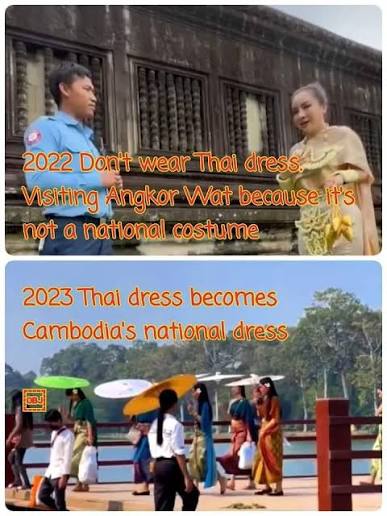 However, as the immense popularity of Thai dress among Cambodians became unstoppable, Cambodian authorities shifted strategy. They began rebranding Thai attire as "ancient Khmer dress." With state-controlled media, they fabricated narratives to convince their public. Alongside propaganda concerning territorial, ethnic, and cultural claims, Thai dress was added to the narrative, as it became so overwhelmingly popular that the traditional Sampot nearly vanished from Cambodian culture.
The Subterfuge in the UNESCO Dossier
Cambodia has repeatedly attempted to claim items it desires by submitting them for UNESCO registration. Even in past eras when information verification was difficult, inaccurate information led to mixed outcomes—some approved, some rejected. Thai attire is now facing a similar tactic.
Claiming Thai dress outright at UNESCO is not as simple as downloading images from the internet and pasting the Cambodian flag over them to claim ownership without shame.
While Cambodian social media users continuously post content wearing Thai dresses, the Cambodian government understands international reality: "Chut Thai" is universally recognized with Thailand due to Her Majesty Queen Sirikit The Queen Mother's decades-long promotion of it globally. Even though Thailand has not yet formally registered Thai dress with UNESCO, Cambodian officials know full well that it is Thailand's national costume.
Knowing that submitting Thai dress directly as Cambodia's national costume would lead to swift rejection by UNESCO, Cambodian authorities altered their tactics. They systematically rebranded the desired attire as "ancient Khmer wedding dress." Noticeably, after previously banning Thai dress at Angkor Wat as foreign attire, authorities later instructed citizens not to wear it indiscriminately for everyday photos. This was done because citizens—including young children—were wearing these "wedding dresses" casually for family portraits and fashion shoots, creating a logical absurdity: why would toddlers wear wedding attire for casual photography?
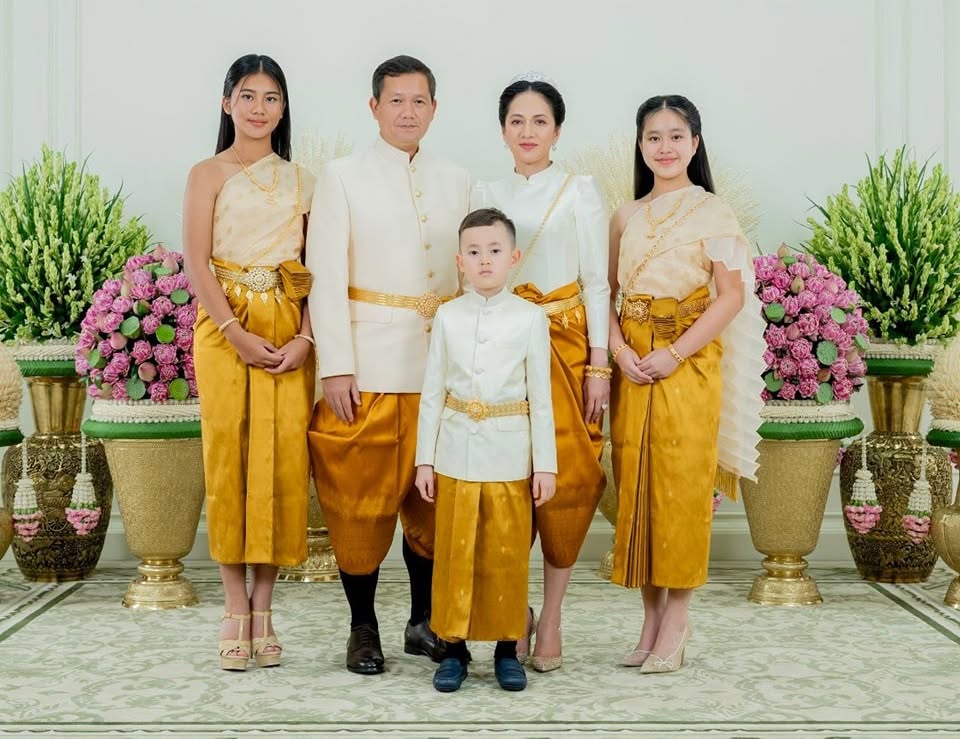
This contradiction poses a problem for Cambodian officials. Their objective is to get the Thai sabai outfit inscribed under any category, so they can later distort the outcome by claiming UNESCO recognized it as their "national costume." This tactic reflects a pattern seen in previous UNESCO registrations, such as Kun Lbokator being claimed as the origin of Muay Thai, or Wat Svay Andet Lakhon Khol being claimed as the origin of Thai Khon (despite stark differences in costumes and masks, which were later altered to resemble Thai Khon). In anticipation, promotional banners declaring Thai dress as Cambodia's national heritage have already been prepared even before any official UNESCO inscription.
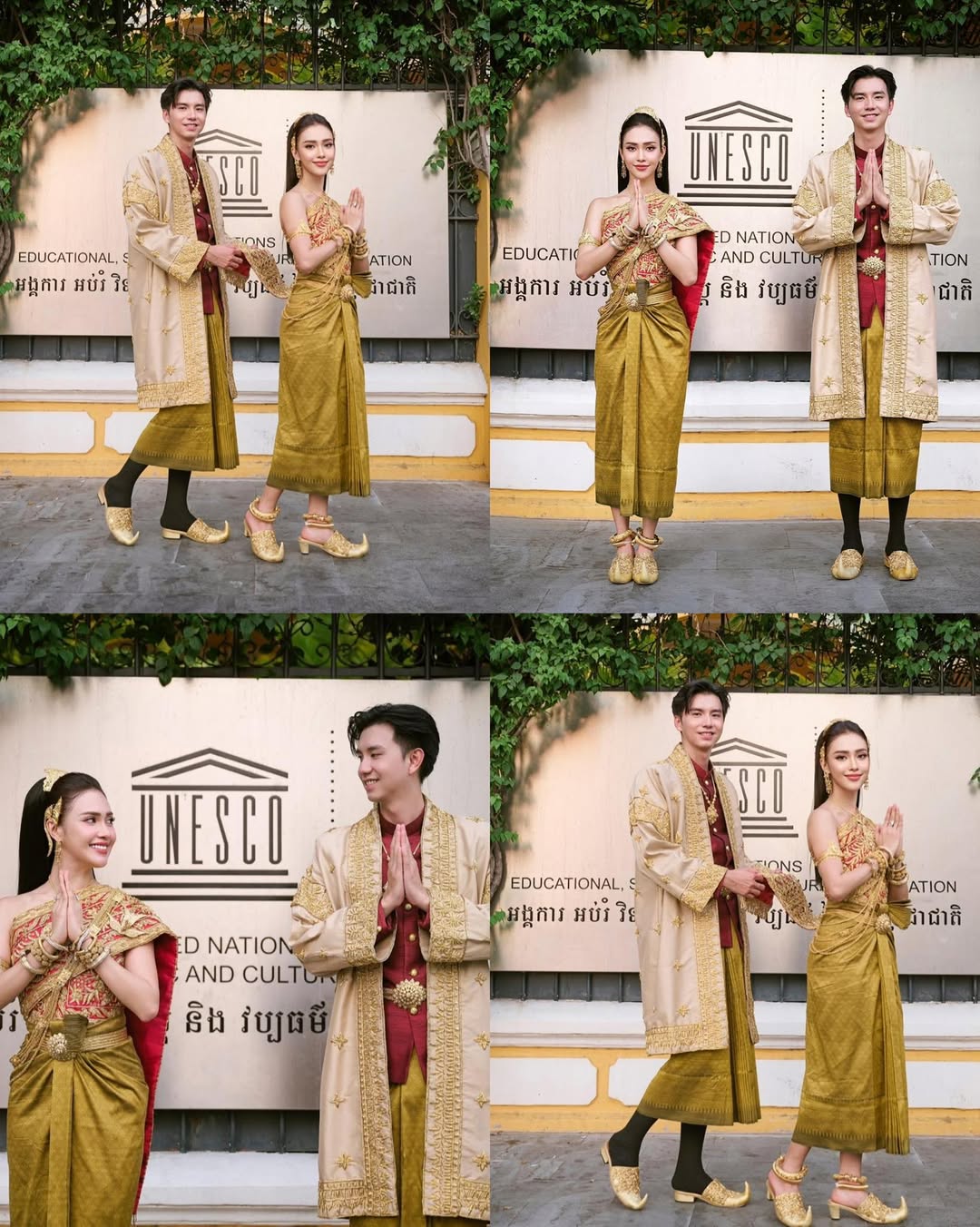
Consequently, as Cambodia prepares to register "Khmer Traditional Wedding" as Intangible Cultural Heritage (ICH) with UNESCO, the dossier compilers know that nominating "applied Thai dress" directly would fail. Thus, they resorted to covert insertion—submitting the nomination under the broader concept of wedding traditions while insidiously slipping in photos and video clips of brides wearing modern applied Thai dresses into the official UNESCO submission file.
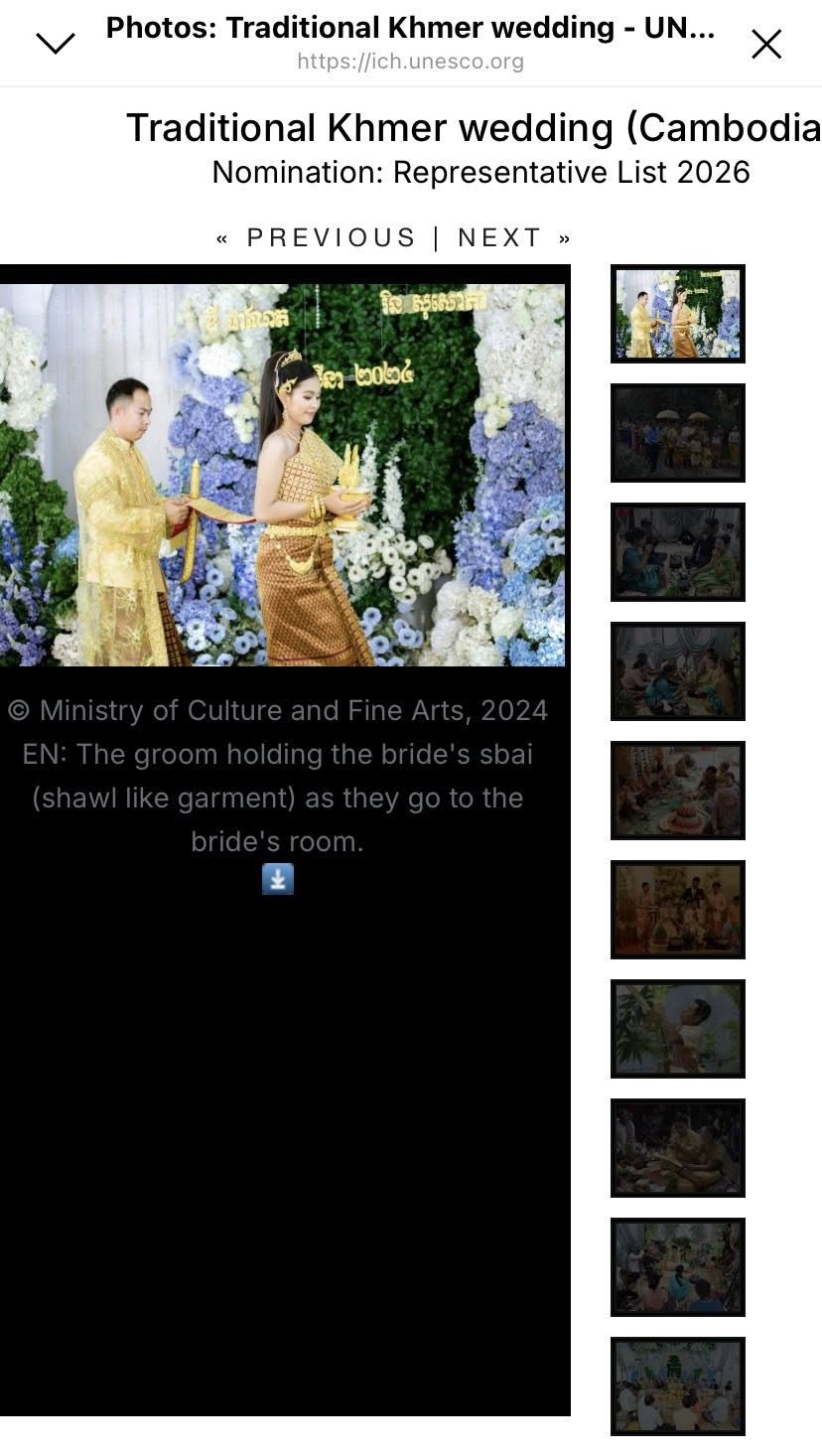
The objective behind this strategy is clear: if UNESCO approves the overall wedding tradition nomination, state propaganda will immediately mislead the public and international community with claims that "UNESCO has certified our wedding attire (featuring Thai dress) as Cambodian heritage!"—exploiting documentation loopholes to covertly claim a neighboring nation's heritage.
Conclusion: A Matter of Authenticity Requiring Global Scrutiny
The traditional Sampot and authentic Cambodian culture possess their own intrinsic charm and historic value without needing to appropriate from others. Attempting to distort history and secretly insert imagery of Thai national attire into international dossiers ultimately undermines Cambodia's own cultural credibility.
This serves as a crucial reminder that the UNESCO Committee and global academic institutions must rigorously audit registration dossiers to ensure that intangible cultural heritage is not exploited as a tool for disinformation and propaganda.
Related Links
(International archive and historical photo exhibition featuring royal attire, archival documents, and the origin of the 8 Royal Thai National Costumes created in the 1960s)