The Apsara Dance: A Creation of French Colonialism, Not an Ancient Heritage
When images of an Apsara dancer in ornate attire gracefully performing on world stages are presented as a "millennium-old, unbroken tradition inherited from Angkor Wat," many might readily accept it. However, what you see and hear is actually a "historical invention" crafted under the shadow of French imperialism.
Traces of the truth began to unravel as scholars peered beneath the political discourse that has obscured Cambodian history for over a century.
**From Siamese Influence to Colonial Invention**
In the mid-19th century, prior to the colonial era, the Cambodian royal court during the reign of King Ang Duong (Hariraksha Rama Issarathipadi) shared deep ties with the Bangkok court. Arts, culture, royal drama, and dance were heavily influenced by and derived from Siam. Cambodian royal dance and drama primarily relied on Siamese models, instructors, and scripts.
However, when France established control over Indochina, the colonial power sought to sever these cultural ties and legitimize its political authority by creating a new narrative. Key figures like George Groslier, the French scholar who authored _Danseuses cambodgiennes, anciennes et modernes_ (1913), proposed linking Cambodian royal dance directly to ancient Angkorean civilization. He asserted that it was a sacred heritage directly inherited from the celestial Apsara bas-reliefs, effectively freezing this narrative into national heritage.
**The Turning Point: The Birth of the "Apsara Dance" and Reconstructed Identity**
After Cambodia gained independence in 1953, the Cambodian elite embraced and expanded this French-constructed narrative to foster "Khmer Nationalism."
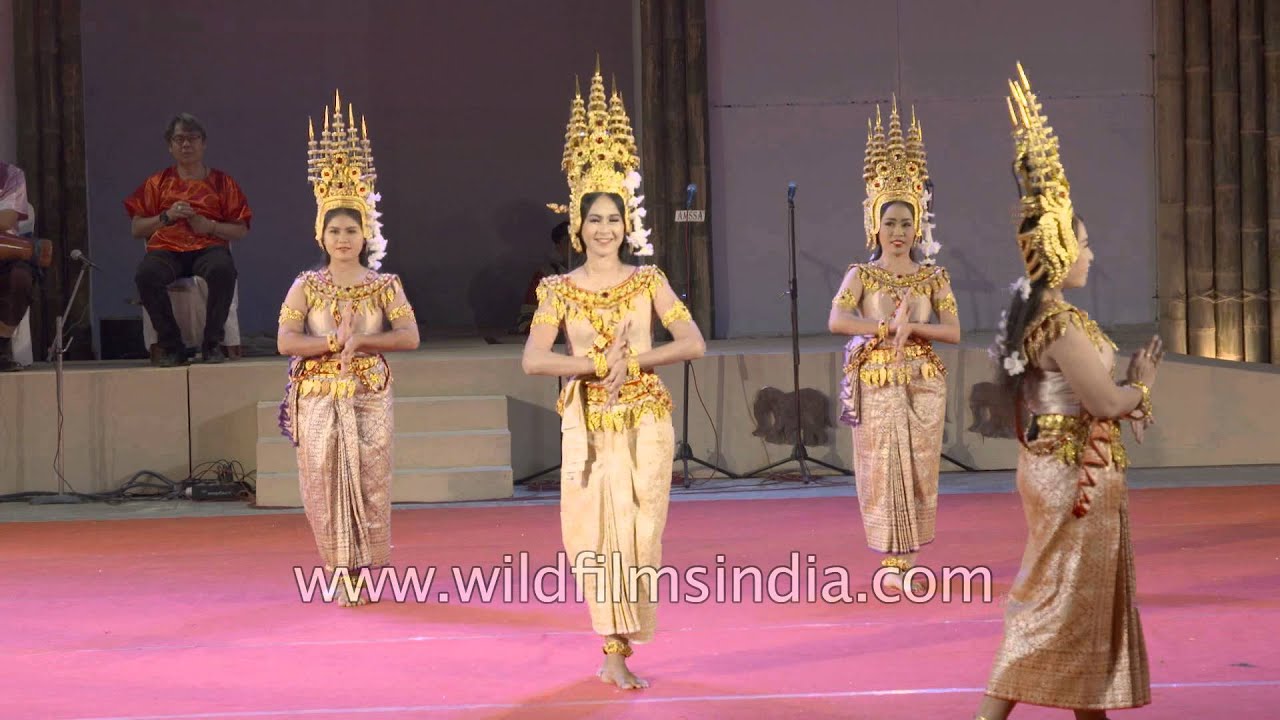
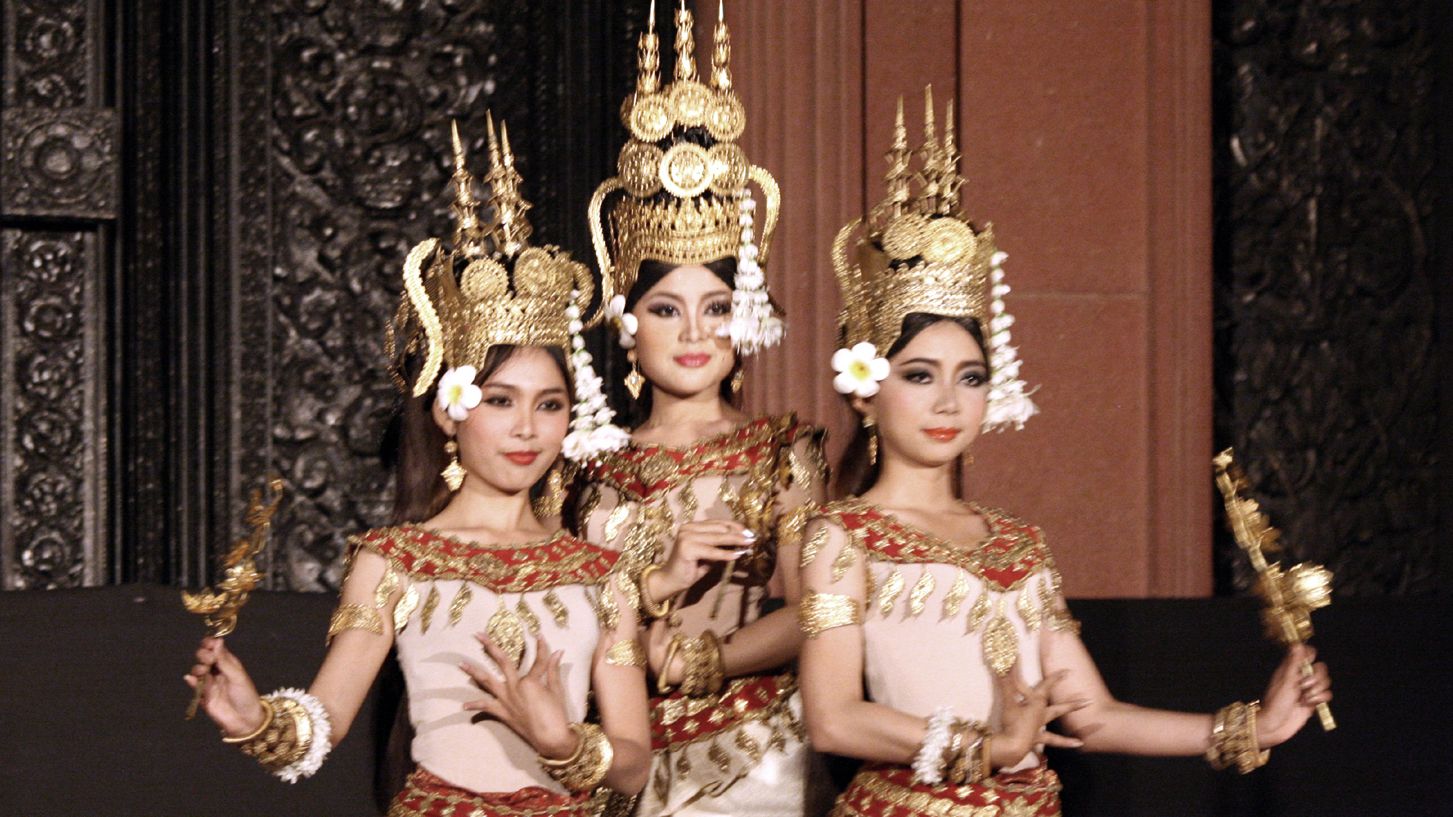
The Apsara Dance is a modern creation:* This dance did not exist during the Angkor period; rather, it was invented in the mid-20th century (under the guidance of Queen Sisowath Kossamak). Costumes and postures were modeled directly from temple stone bas-reliefs for stage performances.
Diminishing Siamese influence:* In official national history, Siamese cultural influence was erased, while the direct connection to Angkor was emphasized as the sole absolute truth.
**Unraveling the Mystery: Why Do Cambodian Apsara Dance and Southern Isan Thai Dances Differ So Vastly?**
This insight resolves a major historical question! If the Apsara dance were truly an ancient folk heritage passed down through generations and shared ethnic lines, the traditional dances of Thai-Khmer populations in Southern Isan (such as Surin, Buriram, and Sisaket)—who live near ancient stone sanctuaries like Phanom Rung and Phimai—would naturally share strong similarities with Cambodia's Apsara dance.
Yet in reality, *the traditional folk dances of Southern Isan (such as Ruam Kantrum or local folk performances)* display entirely different rhythms, postures, musical structures, and expressions compared to the Cambodian Apsara dance!
This is because:
1. Cambodian Apsara Dance is an "Invented Tradition": It was created in the Phnom Penh royal court during the 20th century, inspired by stone bas-reliefs, rather than being an organically inherited folk tradition.
2. Southern Isan Thai dances represent authentic living traditions: They are local cultural heritages nurtured and passed down through community lifeways and rituals, untouched by French nation-building policies.
As concluded forcefully in Hideo Sasagawa's research paper, "Post/colonial Discourses on the Cambodian Court Dance", the historical narrative of Cambodian court dance did not develop free of politics; rather, it was shaped and reframed by France and the local ruling elite to serve colonial and nationalist agendas.
This video demonstrates the Cambodian royal court's Apsara dance, highlighting the choreography and attire distinctly recreated from the bas-reliefs of Angkor Wat.